Call us on 01745 274300
Single Point Defect Reports
Designed to stop those progressive issues from become a concern.
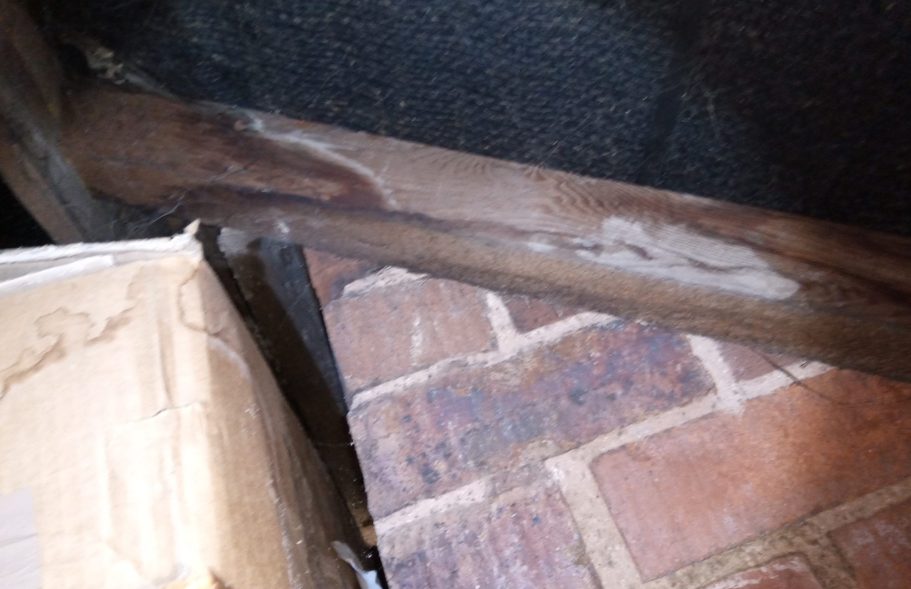
Mould development
Roof timber decay is a real threat to any property, but particularly to older ones built before ventilation regulations were stepped up to combat improved insulation practices.
Mould can develop on roof, floor, skirting. and window sill timbers, as well as on painted walls, ceilings, and floor carpets. This can lead to unhealthy conditions if unchecked.
If you see mould, it means the environment has ventilation issues. Call us for an assessment of the potential severity, other related risks, and tailored remediation advice.
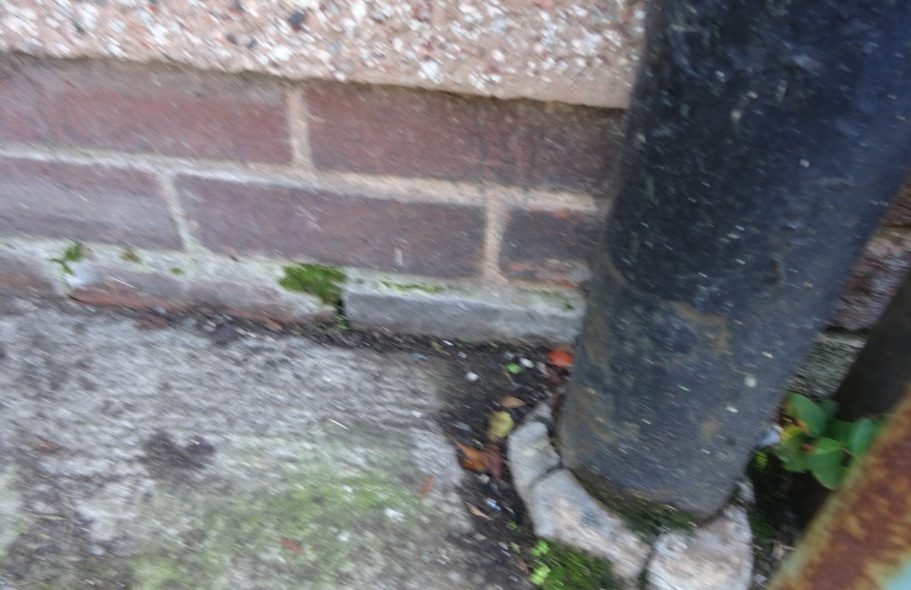
Drainage defects
Drains become defective for many reasons, often related to ground movement, but also from neglect and poor maintenance aboveground.
This can cause rising damp that can lead to subsidence if ignored and affect other elements, like walls and internal floors.
We will assess visible drainage fittings to identify any potential issue before they worsen.
This includes the water and soil pipes, gullies, and any accessible inspection chamber for a condition and H&S concerns.
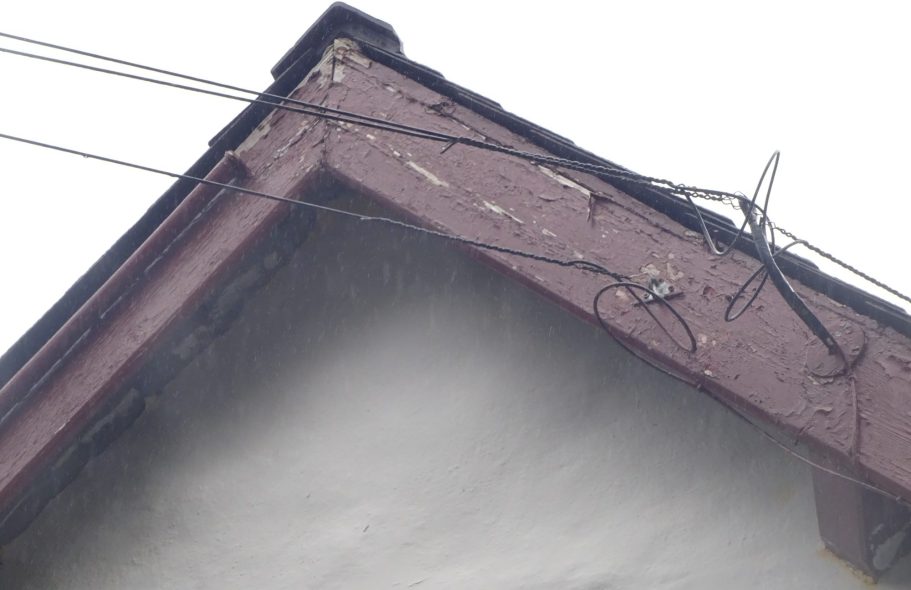
Rain penetration
This is often overlooked when purchasing a property and widely ignored by homeowners, as rain penetration happens at roof edges and innocuous wall masonry gaps.
This can lead to other defects if not spotted and prevented from worsening. However, like drainage defects, it often goes unnoticed until a problem occurs.
We will identify where rain penetration likely originate from, and assess the condition of affected elements. We can usually advise on remediation, although in some serious cases, a damp survey is advised.
Unstable walls
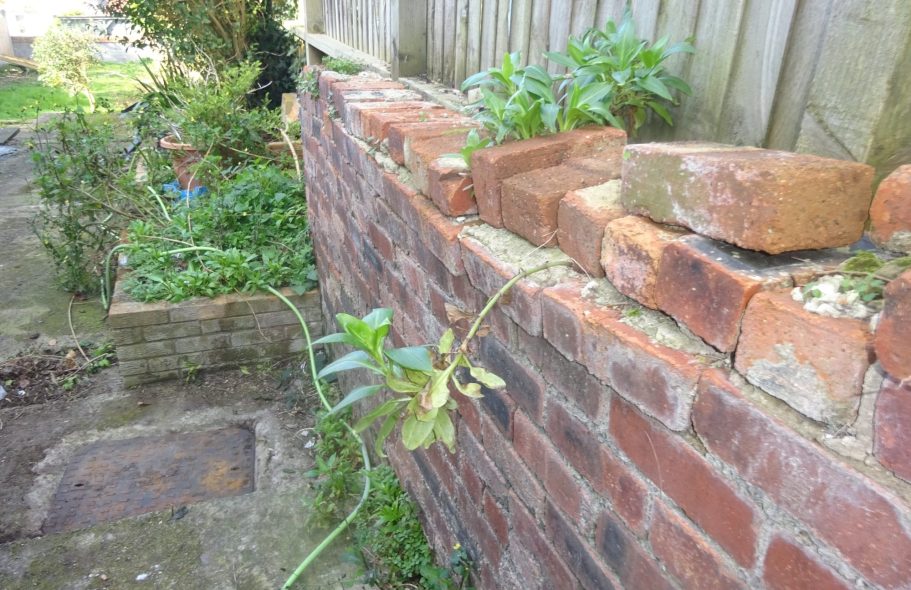
Masonry garden walls can deteriorate over time leading to a serious safety hazard., especially for children and pets. Sometimes the bricks loosen, or maybe cracks or bulges appear.
A variety of causes may be to blame, including ground movement, its orientation to the prevailing weather, and invasive plants.
Retaining walls can also become unstable from soil creep or/and saturation of the soil, which can be concerning for neighbouring gardens and houses if not rectified.
Unstable walls can potentially become a neighbour dispute if not managed early on in its development.
We carry out a thorough analysis of the defect and any risk it may pose, as well as offer remedy advice, which may sometimes just be to rebuild it altogether.
Correcting bad DIY
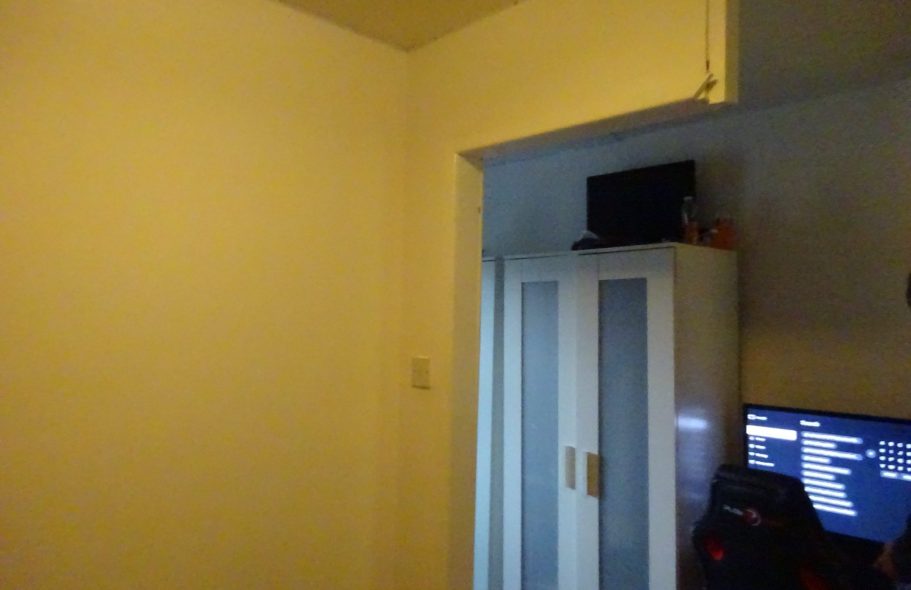
Probably understated in many cases, as they are not only poorly done, but often ignore building regulations, which can put some buyers off.
DIY work can lead to later problems selling or mortgaging it, say if there is spray foam in a DIY converted loft roof.
Bad DIY can also be detrimental to the building fabric, or present a fire hazard, fire-escape issue, electrical hazard, or create ventilation concerns, especially if it's a HMO property.
Not all internal work has to go through planning, but Building Regulations usually applies. Therefore it would be prudent to not leave such issues to chance.
We will inspect to check if the DIY work is; safe, affects any other connected element, what BR applies (or applied at the time), and if it needs/or needed planning approval
Structural issues
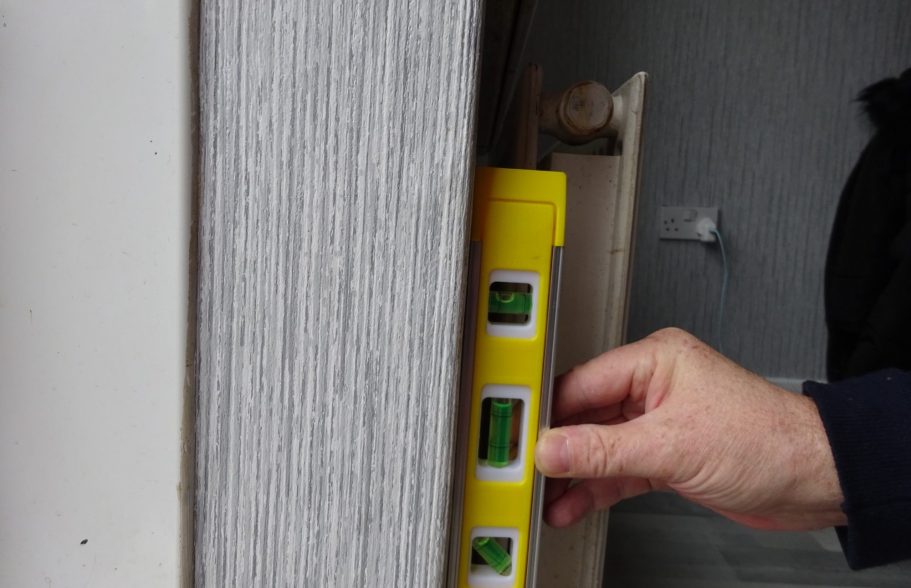
Structural issues originate either from above ground, or below ground, and can affect walls, floors, doors, windows, ceilings, and roofs.
Different causes and conditions are required for certain defects, so only by investigating the issue is a diagnoses able to be formed.
Typical causes are; defective drains, poorly compacted soil, or heavy saturation, as well as sulphate attack, cavity wall tie failure, brickwork oversailing or under-sailing the DPC.
Whilst we are not building engineers, we are able to provide a basic analysis of many structural issues. Sometimes the answer isn't diagnosable straight away,
Movement may need monitoring for an extended period to determine the speed of the progression in order to assess the threat severity and identify the cause.